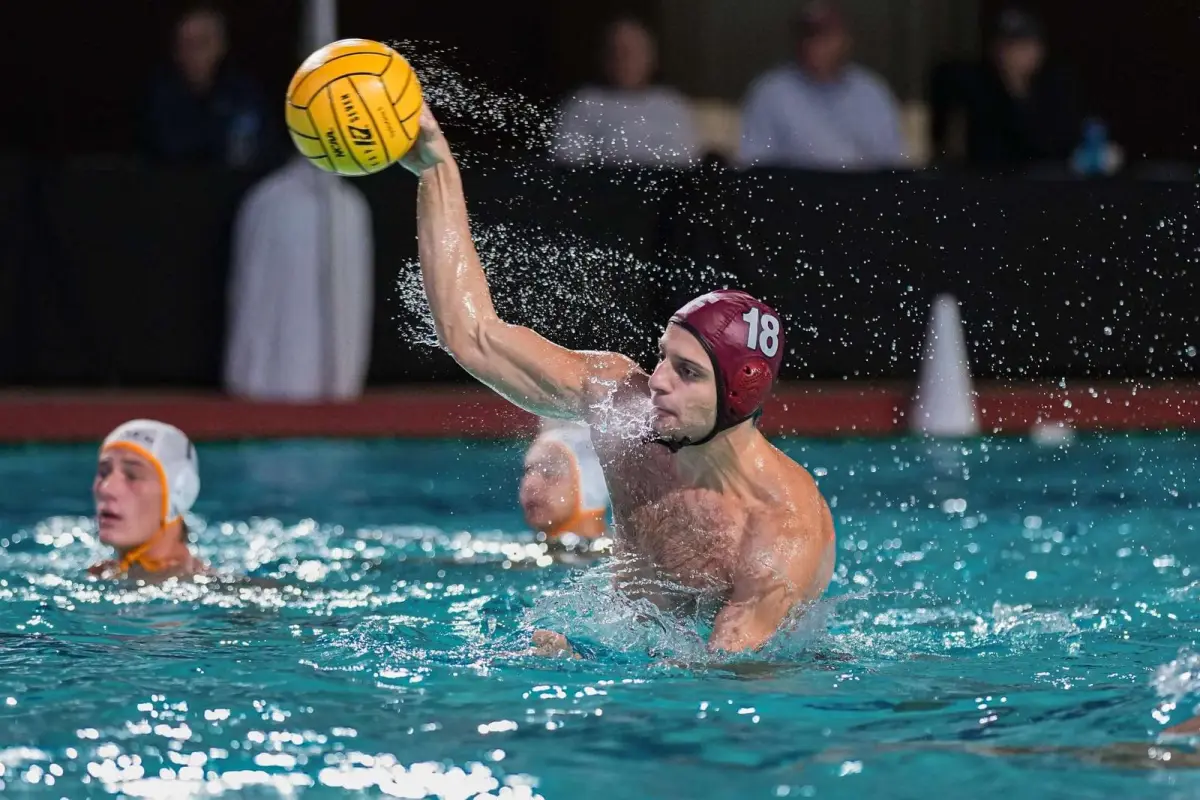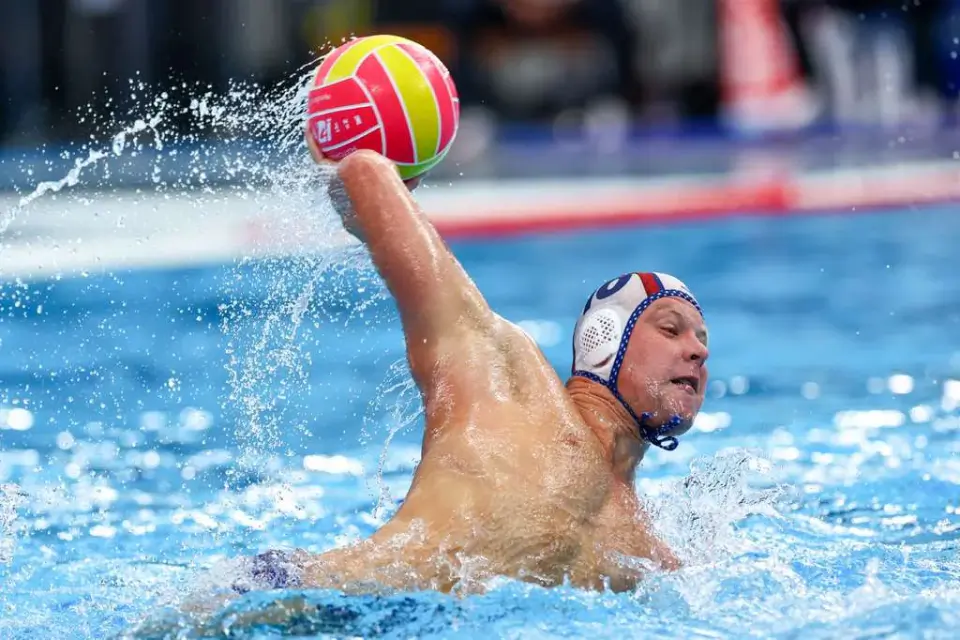
Most high school water polo players like the gym. But lifting is not the same as improving. If a program is not built for water polo, athletes can spend hours building muscle that looks good but does not help them play better.
Why do most athletes lift the wrong way for water polo?
Many players spend their gym time on biceps curls, leg presses, and endless crunches. Those can build a pump, but they rarely earn more playing time.
Water polo is a functional, explosive, multi-directional sport played without a floor to push against. Training should target:
- Vertical power to rise out of the water
- Core stability to shoot and pass under pressure
- Shoulder durability to stay healthy through long seasons
- Hip mobility to move fluidly and avoid injury
Which 6 movements transfer best to the pool?
These are the foundational movements our Division I strength staff build every program around.
| Movement | What it builds for water polo | Starting dose, 2 to 3 times a week |
|---|---|---|
| Squats | Leg power for elevation, blocks, and shots; hip and ankle mobility | Goblet squat, 3 × 8 to 10 |
| Lunges | Single-leg strength and balance for eggbeater and grappling | Reverse lunge, 3 × 8 per leg |
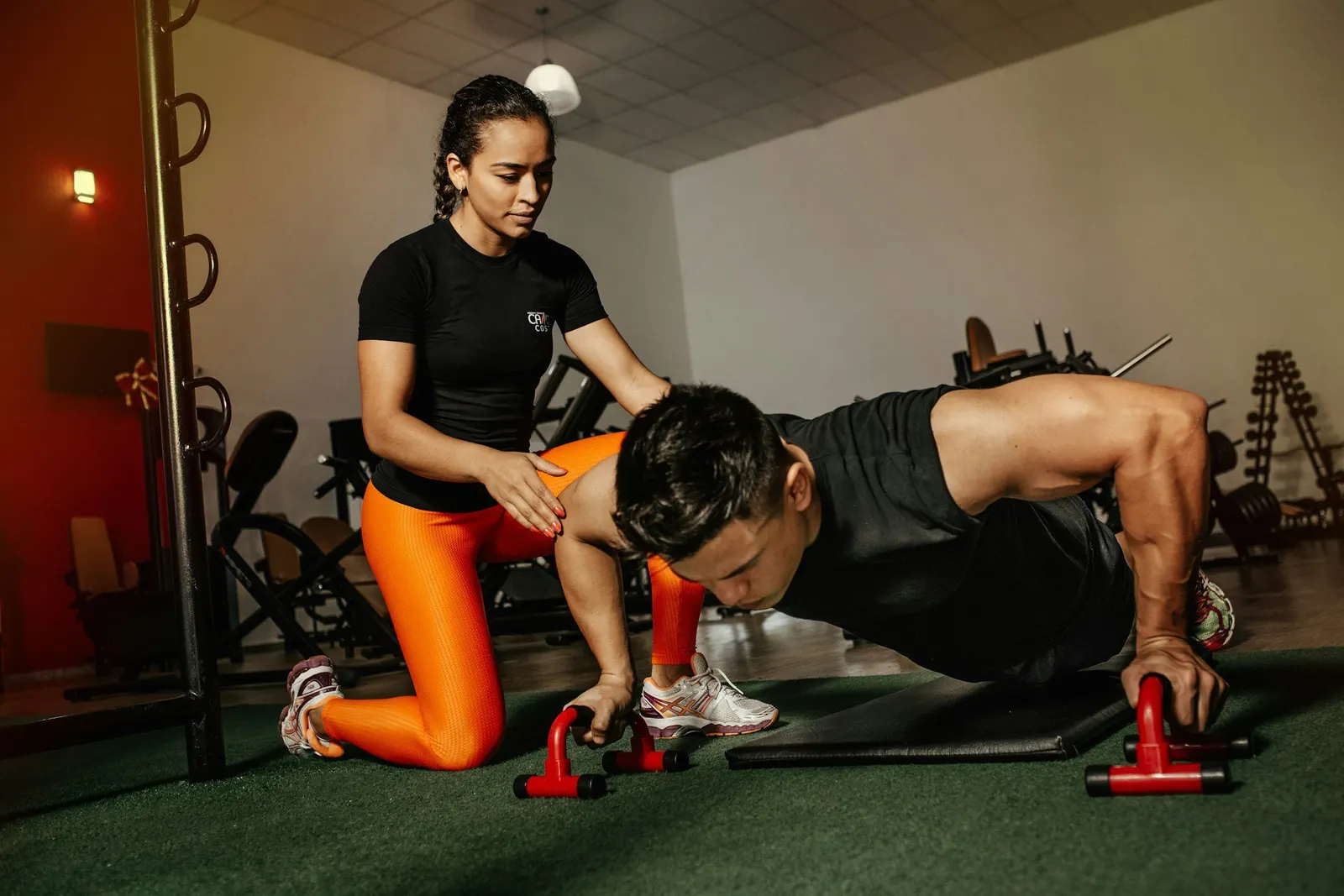
| Push-ups | Chest and shoulder strength for passing and shooting | 3 × 8 to 15, full range |
| Pull-ups or inverted rows | Upper-back strength that balances throwing and protects shoulders | Inverted row, 3 × 8 to 12 |
| Planks | Core stability for balance, posture, and endurance | 3 × 20 to 45 seconds |
| Bar hangs | Grip strength and shoulder integrity | 3 × 15 to 30 seconds |
These are not random exercises. They teach the body to move, stabilize, and produce force well. For deeper guides, read squats for water polo elevation and pull-ups for water polo shot power.
What makes water polo strength training different?
- Full-body coordination: every movement in the pool links the legs, core, and arms, whether you are a goalie, driver, center, or utility.
- Position-specific plans: programming should fit the athlete’s role, age, and current ability.
- Movement quality over weight: clean patterns first, progressive load second.
- Recovery and injury prevention: mobility work and lighter weeks keep shoulders healthy and legs fresh.
Is strength training safe for young water polo players?
Yes, when it is supervised and well designed. The National Strength and Conditioning Association’s position statement on youth resistance training reports that properly designed and supervised programs are safe for children and adolescents and can improve strength, bone health, and resistance to sports injuries.
For parents, the practical rules are simple:
- Learn technique with bodyweight or light loads before adding weight
- Train with qualified supervision
- Progress gradually and keep some reps in reserve
- Stop and get evaluated if pain is sharp or lasts into the next day
Protect the most overworked joint in the sport with our water polo shoulder injury prevention guide.
How can Prep2Play help?
Prep2Play members get live strength and conditioning sessions led by Division I strength coaches, who explain the why behind every movement. Athletes can ask questions live or watch the replay later. Whether your athlete is in 7th grade or already talking to college coaches, the goal is the same: train smarter, build power where it matters, reduce injury risk, and prepare for the college level.